
Design Systems Case Study
Follett Design System
Creating a shared source of truth for Follett product teams to improve UX consistency, reduce design debt, and support more scalable product delivery.
Project Highlights
Overview
As Follett’s product ecosystem expanded, the need for a shared UX and UI foundation became increasingly important.
Multiple product teams were moving quickly across several education technology platforms, including Destiny, Destiny Discover, Shelf, Help Desk, and Resource Manager.
Each team had its own priorities, timelines, and implementation needs. Without a central source of truth, the user experience began to drift.
The Follett Design System, also known internally as FDS, was created to bring consistency, clarity, and reusable standards to a growing product organization.
Challenge & Opportunity
The core challenge was not one isolated interface problem. It was a systems problem.
Too many teams were building inconsistent experiences. There was a lack of reusable standards, no central source of truth, and rapid product growth was creating UX drift across related platforms.
Buttons, forms, spacing, typography, navigation patterns, interaction states, and visual treatments could vary from product to product, and sometimes from team to team.
The opportunity was to create a shared system that helped product teams move faster while also creating a more consistent experience for users.
My Contribution
My role in FDS combined design, documentation, front-end thinking, and cross-functional collaboration.
Rather than treating the system as a static style guide, we approached it as a practical working resource for designers, developers, product managers, and delivery teams.
- Helped define reusable interface patterns
- Supported color, typography, spacing, and component standards
- Created and maintained reusable visual assets
- Provided HTML and CSS examples for development teams
- Documented use cases and implementation guidance
- Supported cross-team adoption across multiple products
- Helped mentor junior designers and improve team consistency
- Collaborated with developers, product managers, QA teams, and UX leadership
More Than A Style Guide
FDS was not simply a visual reference.
It included practical guidance intended to help teams understand not only what to use, but when and why to use it.
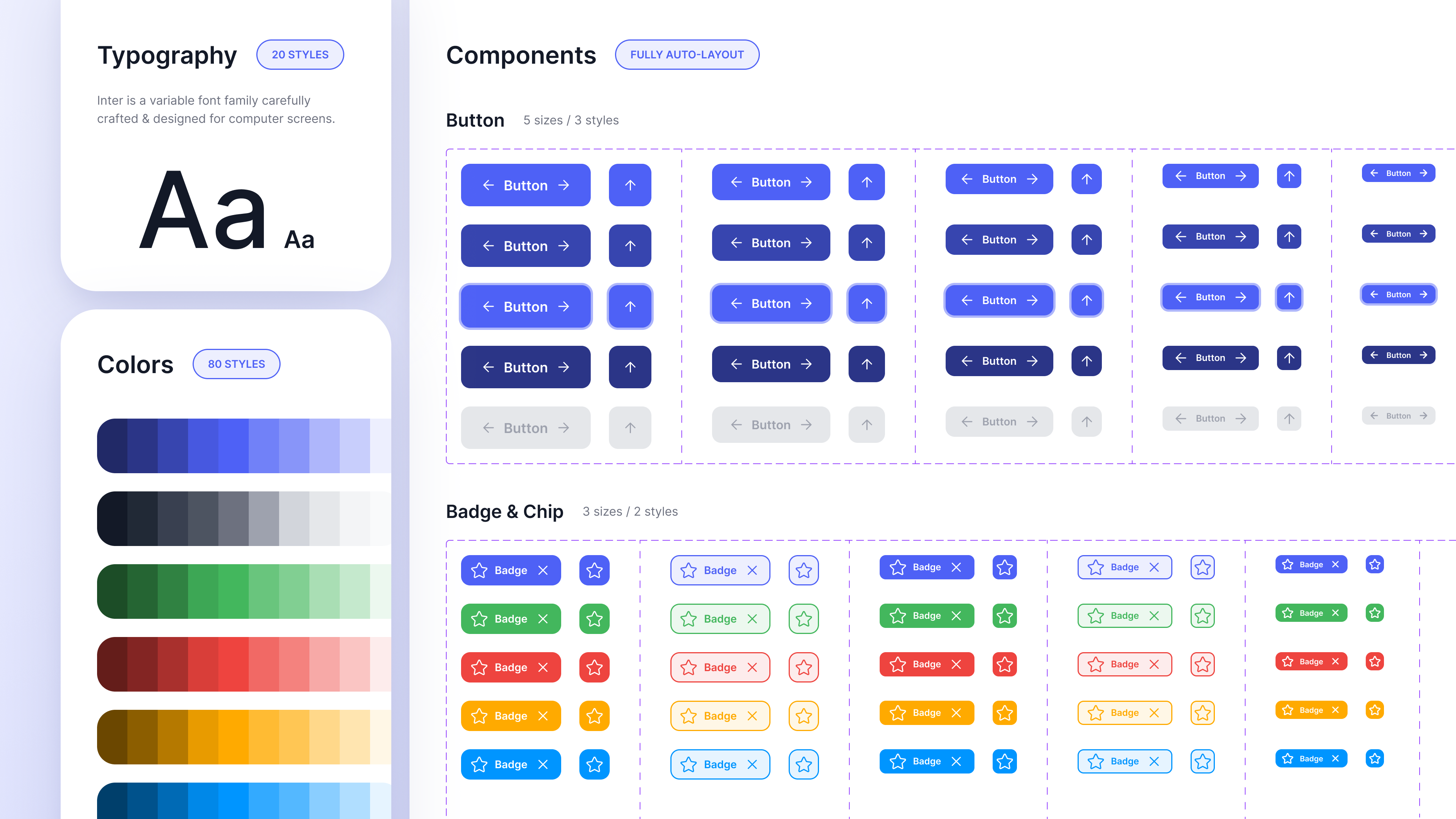
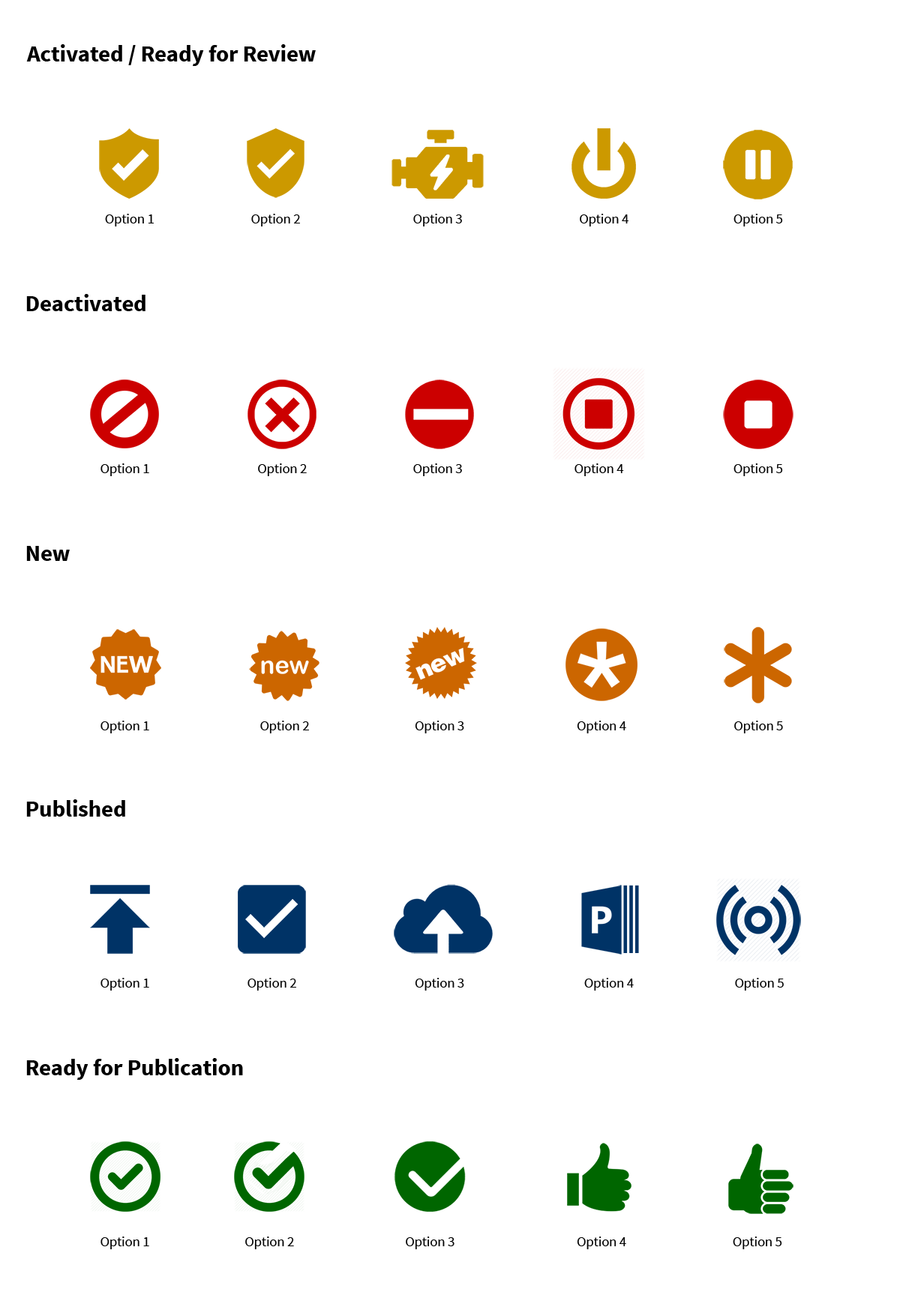
The system included color standards, typography standards, reusable components, iconography, interaction patterns, assets, use cases, and front-end examples.
For developers, the inclusion of HTML and CSS examples helped translate design intent into more practical implementation guidance. For designers, the shared patterns helped reduce one-off decisions and improve consistency across products.
Supporting Multiple Product Teams
At its peak, the UX group supported approximately fifteen delivery teams across Follett’s product ecosystem.
That scale made consistency difficult to maintain through individual conversations alone.
FDS helped create a shared vocabulary between UX, product, development, and QA. It gave teams a place to align around established patterns instead of repeatedly solving the same problems from scratch.
The system supported work across Destiny, Destiny Discover, Shelf, Help Desk, and Resource Manager, helping product teams maintain a stronger sense of cohesion even as each product served different user needs.
The Material Design Debate
One of the most important moments in the evolution of FDS involved a conversation around Material Design.
At the time, leadership was interested in adopting Material Design more broadly. It was popular, well documented, and widely recognized as a modern design language.
But our users were not generic users. Follett served K–12 students, educators, librarians, and administrators. That context mattered.
I raised concerns about adopting Material Design wholesale, particularly around readability, clickability, and appropriateness for younger users and emerging readers.
All-caps headings reduced readability. Extremely flat interface patterns weakened affordances. Some visual decisions that looked modern could make products harder to understand for the students and educators we served.
Selectively Adopting What Served Users
The recommendation was not to reject Material Design entirely.
The recommendation was to adopt selectively.
We could learn from Material Design, borrow what was useful, and still preserve the clarity, usability, and product identity our users needed.
Leadership resisted that recommendation at first. Over time, as Material Design lost some of its luster and broader design trends began shifting back toward more distinctive, branded experiences, the value of a more selective approach became clearer.
That decision helped FDS remain more closely aligned with Follett’s users instead of simply following the trend of the moment.
Outcome
FDS helped improve consistency across Follett’s product experiences and reduced design debt created by years of rapid growth and team-by-team implementation.
It gave designers and developers a stronger foundation for building related experiences, helped reduce repetitive decision-making, and improved UX consistency across multiple products.
The work also strengthened UX credibility within the organization. As design became more structured, documented, and systemized, UX was increasingly seen as a strategic partner rather than a final visual layer added near the end of the process.
UX Earned A Seat At The Table
One of the most meaningful outcomes of this period was the evolution of how UX was perceived inside the organization.
The design system helped demonstrate that UX could do more than create screens. UX could establish standards, reduce friction, improve consistency, influence product direction, and help teams make better decisions at scale.
Over time, UX earned a stronger voice in product conversations and a more meaningful seat at the table.
Reflection
The Follett Design System remains one of the most important systems projects of my career because it represented a shift from designing individual screens to shaping a shared product language.
It also reinforced an important lesson:
Consistency does not happen by accident. It has to be designed, documented, shared, maintained, and defended.
FDS helped make Follett’s product experiences more cohesive, but it also helped mature the organization’s understanding of what UX could contribute.
That kind of systems work is not always as visible as a polished interface, but it often creates more lasting value.
Supporting Visuals
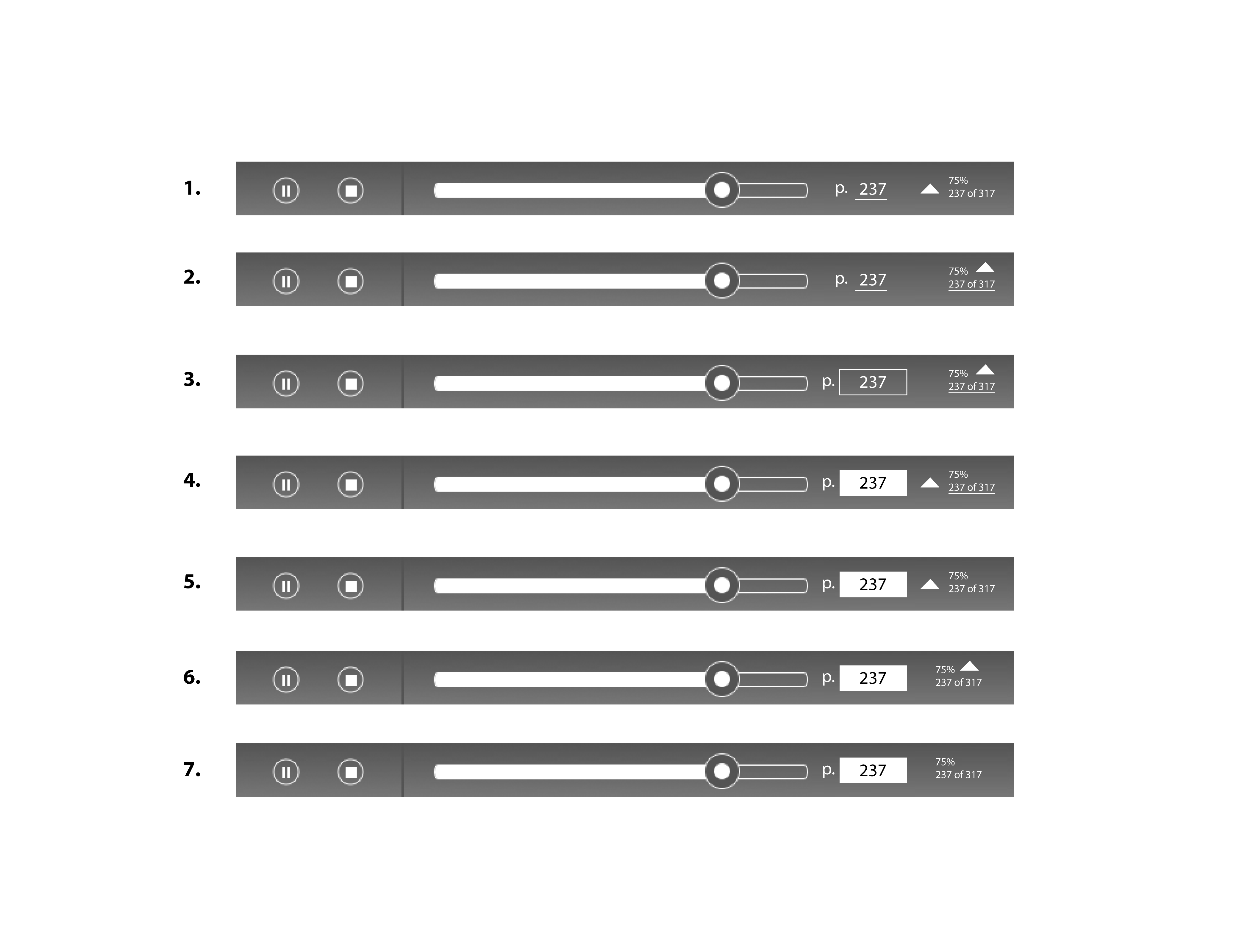
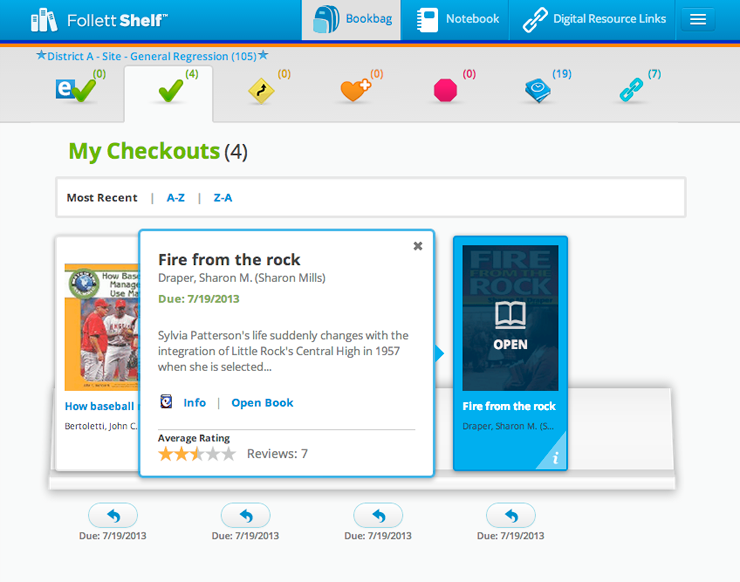
A selection of design system, product pattern, exploration, and implementation artifacts connected to the broader Follett product ecosystem.
Interested in working together?
Whether you’re building a design system, reducing product inconsistency, or creating reusable standards that help teams work more effectively, I’d love to hear about it.
Get in Touch