
Documentation & Training Case Study
Iowa State University Desktop Publishing Standards Manual
A comprehensive desktop publishing standards manual created to help Iowa State University faculty, staff, and students prepare files correctly for professional print production.
Project Highlights
Overview
In 1994, while working as a Desktop Publishing Department Associate at Iowa State University, I recognized a growing challenge facing students, faculty, and staff who were producing files for print.
Desktop publishing technology was advancing rapidly. New software, operating systems, file formats, printers, and output devices were becoming increasingly common, yet there was no standardized reference guide that explained how files should be prepared for professional output.
To help address this gap, I created a comprehensive desktop publishing standards manual designed to educate users and improve production quality across the department.
The Challenge
The challenge was not technical knowledge alone. The challenge was communication.
The audience ranged from experienced publishing professionals to first-time computer users. Faculty, staff, and students often possessed dramatically different levels of expertise with computers, software applications, printing technologies, and operating systems.
The guide needed to be technically accurate while remaining accessible to users with varying levels of experience.
Finding that balance became the most important part of the project.
The Solution
I developed a comprehensive reference manual that documented both practical workflows and the technical concepts required for successful print production.
The manual provided step-by-step instructions and educational explanations that helped users understand not only what to do, but why those steps mattered.
What The Manual Included
The manual covered practical setup procedures, output preparation, and print-production terminology.
- File naming conventions
- File format recommendations
- Collecting files for output
- DPI and image resolution
- LPI and screen frequency
- Dithering
- Lossy versus non-lossy compression
- CMYK versus spot color
- Varnishes and specialty finishes
- Bleeds and crop marks
- Registration
- Chokes and traps
- Bindery considerations
- Print production best practices
The goal was to create a practical guide that could serve as both a training resource and an ongoing reference document.
Audience
The manual was created for a broad university audience, including faculty, administrative staff, students, department personnel, first-time desktop publishing users, and experienced production staff.
Because the audience was so diverse, clarity and organization became just as important as technical accuracy.
Outcome
The standards manual was well received throughout the department.
It was particularly appreciated by department leadership, including the Director and Assistant Director, who viewed it as a valuable educational and operational resource.
At the conclusion of my internship, the manual was left behind as a thank-you gift and continued serving as a reference for future users.
Reflection
This project remains meaningful because it taught me an important lesson early in my career: expertise only creates value when it can be shared.
Creating the manual required translating complex technical concepts into language that others could understand and apply.
The experience strengthened my appreciation for documentation, training, and enablement—skills that would later influence my work in design systems, accessibility, enterprise software, and UX governance.
Good documentation helps people succeed without needing the expert in the room.
Supporting Visuals
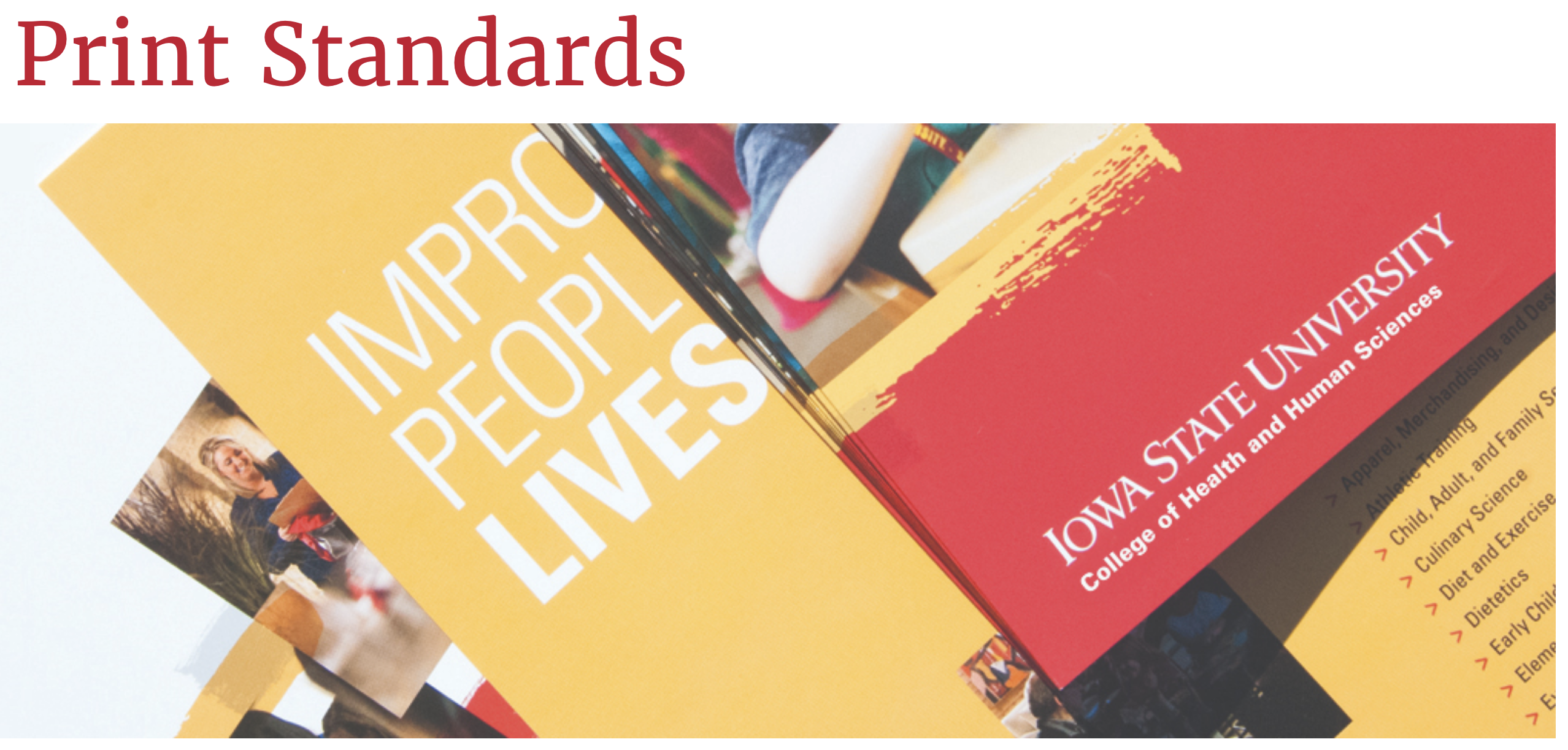
A look at the desktop publishing standards manual created to support print production education, technical setup, and file preparation.
Interested in working together?
Whether you’re creating documentation, establishing standards, or helping teams work more effectively through education and enablement, I’d love to hear about it.
Get in Touch